Microbiology
Our ISO 17025 accredited microbiology laboratories offer an extensive selection of industry-standard methods for indicator and spoilage organisms. We have traditional and rapid methods to suit your needs
When is microbiology testing useful
It provides valuable insight to support informed quality, safety, and operational decisions. It assists with product release, hygiene verification, shelf-life assessment, spoilage investigations, environmental monitoring, food safety investigations, and the development of appropriate corrective actions.
Testing also help identify potential microbiological risks or quality concerns associated with products, surfaces, processes, production environments, and other relevant samples.
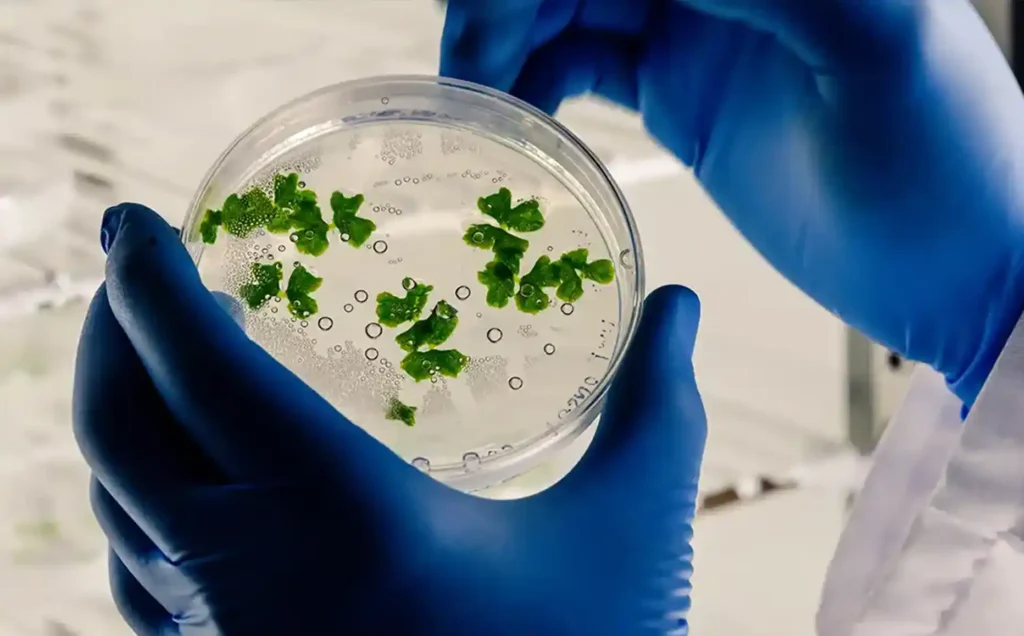
Common Tests & Why They Matter
Total Viable Count
Total viable count provides an indication of the overall bacterial load in a sample. It supports hygiene assessment, process monitoring, shelf-life review, and general quality checks.
E. coli and Total Coliforms
E. coli and total coliform testing helps indicate possible fecal contamination, hygiene concerns, water quality issues, or process control gaps.
Salmonella Species
Salmonella testing supports food safety decisions for high-risk products, ingredients, environmental monitoring, and customer or regulatory requirements.
Listeria monocytogenes
Listeria monocytogenes testing is important for refrigerated foods, ready-to-eat products, processing environments, and situations where post-processing contamination may be a concern.
Staphylococcus aureus
Staphylococcus aureus testing supports investigations related to handling, hygiene practices, contamination risk, and food safety control.
Yeast and Mold Count
Yeast and mold testing helps assess spoilage risk, shelf-life stability, product quality, storage conditions, and contamination concerns.
Laboratory Testing
Quality Plus Laboratory & Consultancy Services helps ensure that food supplies are free of contaminants
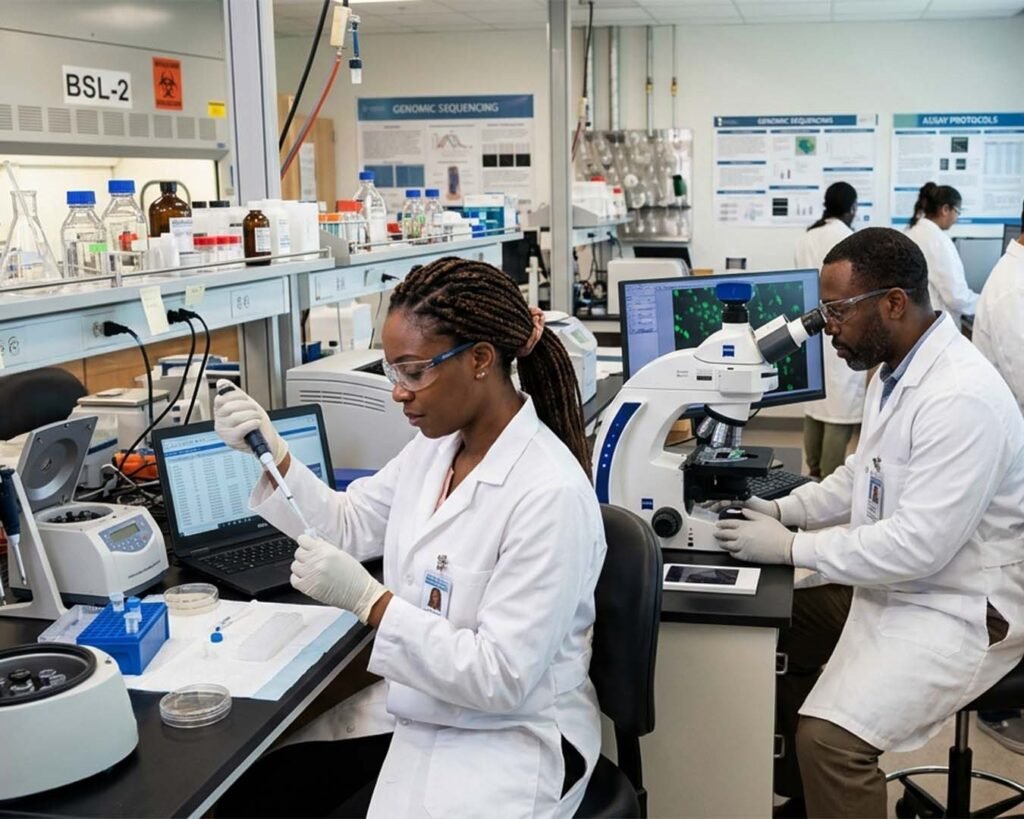
Pathogen Testing Services
We offer a new approach to pathogen risk identification.-
- Salmonella species
- Escherichia coli and E. coli O157
- Staphylococcus aureus
- Listeria monocytogenes
- Campylobacter species
- Bacillus cereus
- Clostridium perfringens
- Shigella species
- Pseudomonas aeruginosa
Indicator & Spoilage Organisms
Our ISO 17025 accredited microbiology laboratories offer an extensive selection of industry-standard methods for indicator and spoilage organisms.
- Aerobic Plate Count
- Yeast & Mold
- Coliforms
- Enterobacteriaceae
- Lactic Acid Bacteria
- Anaerobic Plate Count
Environmental Monitoring Program Testing Services
Environmental Monitoring is an essential component for microbial control. It is an assessment tool for the effectiveness of your current Food Safety Plan to mitigate the risk of contamination in your manufacturing facility. Our ISO 17025 accredited laboratory is well-positioned to help you each step of the way offering environmental monitoring program testing services that fit your individual needs. With our team of experienced scientists, we look forward to partnering with you, whether you are just getting started, have an established program, or are looking to add further robustness to your current program.
- Surface swab and sponge testing
- Air plate testing
- Testing for allergens, pathogens, and indicator organisms
- Sampling supplies (air plates, sponges, and swabs)
- Consulting services including harborage site investigations
- Training services
Shelf Life
We provide comprehensive food microbiological shelf-life testing and verification services to support food manufacturers, processors, retailers, and product developers in establishing scientifically justified shelf-life periods. Our testing evaluates microbiological stability, spoilage trends, hygiene indicators, and relevant foodborne pathogens under defined storage conditions, helping demonstrate that products remain safe, stable, and acceptable throughout their intended shelf life. Our capabilities cover a wide range of food and animal feed products and are supported by recognized microbiological methods, controlled testing conditions, trend analysis, and technically reviewed reporting within an ISO/IEC 17025 laboratory framework.